
Introduction
"If your packaging production costs account for more than 20% of your total profit, or you are struggling with environmental regulations, then traditional packaging production methods may be eating up your competitiveness.
This article will use real data and visual comparisons to reveal how honeycomb paper sleeve machines can help newcomers quickly seize the dividends of the environmentally friendly packaging market with lower costs, greater flexibility, and more sustainable production models."
Cost comparison: Dimension reduction from "heavy assets" to "lightweight"
1.Initial investment cost
*Traditional wooden box/foam equipment: need to purchase injection molding machine, mold (single mold cost 5,000-20,000), large storage space
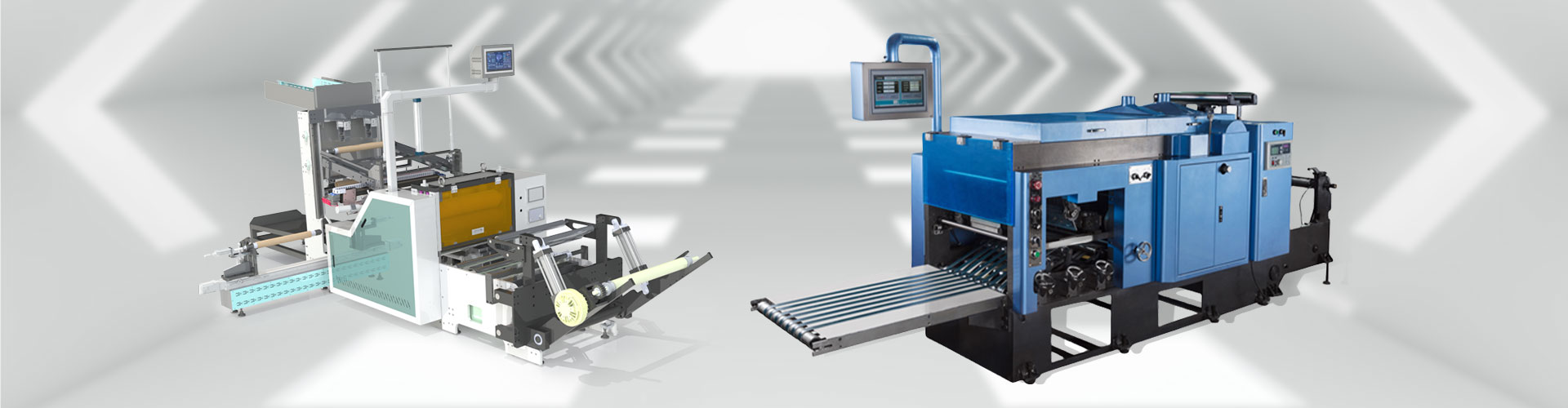
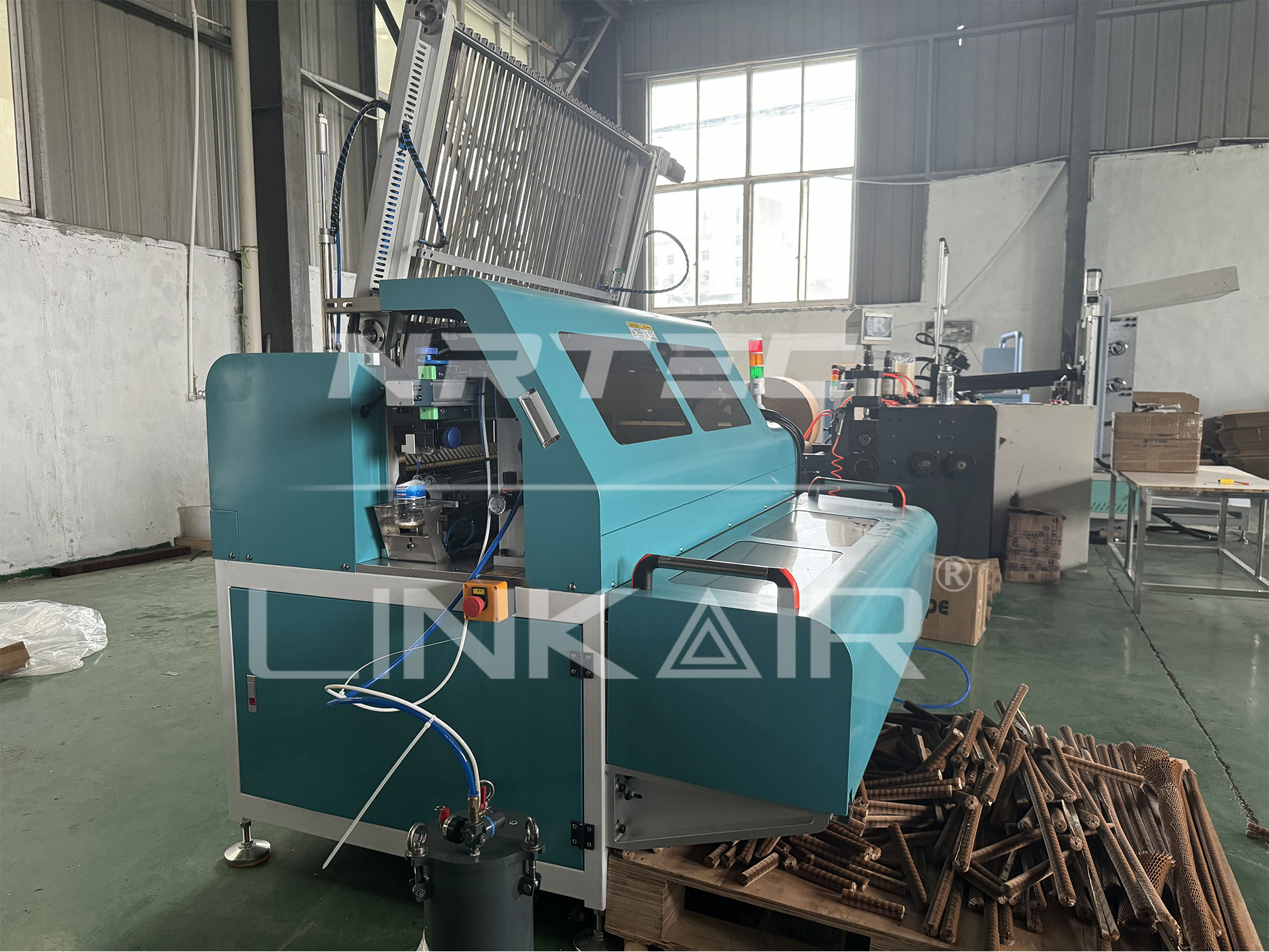
*Honeycomb paper sleeve machine: integrated design (no additional mold required), minimum configuration only $25,000 to start
*Visual chart: ![Initial investment comparison chart] (placeholder: bar chart shows traditional equipment 80kvs honeycomb paper cover machine 25k)
2. Energy consumption cost (taking monthly production of 50 tons as an example)
*EPS foam production: electricity cost 1,800 + steam cost 1,200
*Honeycomb paper sleeve machine: electricity cost $600 (intelligent frequency conversion technology saves 40% electricity)
*Key conclusion: honeycomb paper technology can save 60% of energy expenditure
3. Hidden cost killer: mold iteration
*Traditional injection mold: each modification requires a new mold (30 days + cost $15,000)
*Honeycomb paper sleeve making machine: input new parameters through the touch screen, and complete the specification switch in 10 minutes (supports paper tubes with diameters of 20mm-500mm)
Environmental protection value: a qualitative change from "compliance burden" to "market premium"
1. Comparison of carbon footprint measurements (producing 1 ton of packaging materials)
*EPS foam: produces 580kg of carbon dioxide + 300 years of non-degradability
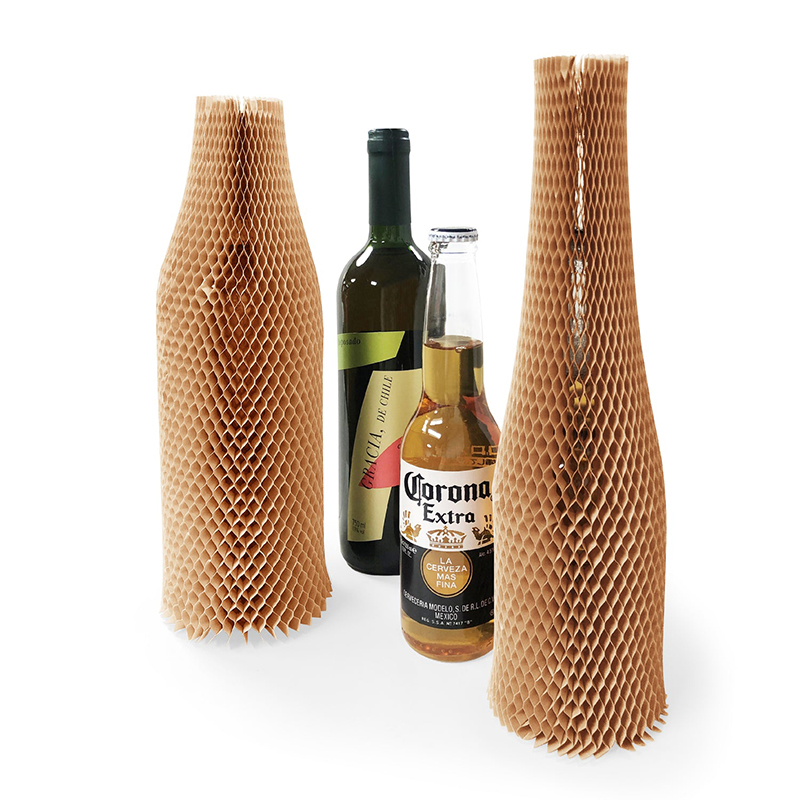
*Honeycomb paper core: absorbs 120kg of carbon dioxide + 6 months of natural decomposition
Visual design:
"Using 1 honeycomb paper sleeve making machine to produce for 1 year = planting 200 trees"
2. Regulatory lightning avoidance guide
*EU plastic tax: EPS foam packaging will be subject to an additional €0.8/kg from 2025
*Honeycomb paper sleeve making machine has a built-in FSC certification tracking system, which automatically generates a traceability report that complies with EPR regulations
3. Premium ability demonstration
Case: After the Spanish home furnishing brand switched to honeycomb paper packaging, the product pricing increased by 22% (consumers are willing to pay 18%-25% more for environmentally friendly packaging)
Production flexibility: a breakthrough from "single production capacity" to "order freedom"
1. Space efficiency revolution
*Traditional production line: requires 200㎡ factory + 5 meters high floor
*Honeycomb paper sleeve making machine: covers an area of only 6m×4m (mobile design, supports garage entrepreneurship
2. Multi-scenario order acceptance capability
*Construction industry: customized moisture-proof paper core (adding nano coating)
*Logistics field: 30 minutes to switch cushion pad/pallet foot pier production
*Home market: direct printing of brand LOGO (saving secondary packaging costs)
3. Newbie friendliness test
*Operation interface: 8 language switching + intelligent fault diagnosis system (
*Case: Indonesian novice buyer completed the first order within 3 days (producing 2,000 paper tubes for e-commerce)
Conclusion
While traditional packaging manufacturers are still struggling with mold costs and environmental fines, a new generation of entrepreneurs have achieved the following through honeycomb paper sleeve making machines:
✅ Light asset startup (minimum $25,000 investment)
✅ Zero inventory order taking (switching product specifications within 1 hour)
✅ Passive customer acquisition (environmental protection qualifications bring large customer traffic)
