
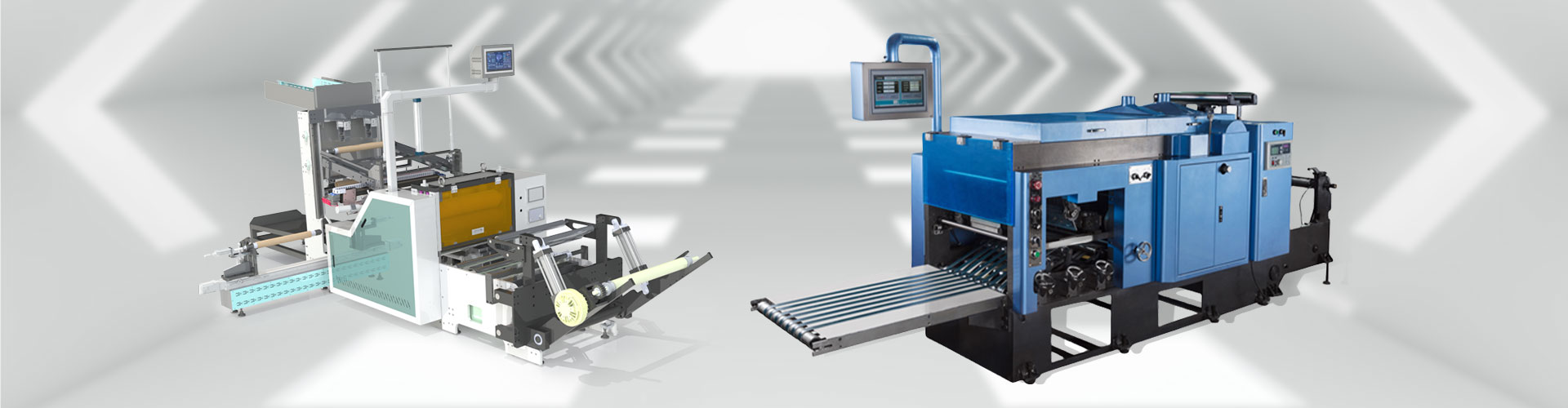
Z Fold Paper Folding Machine Market Trends in Europe and North America (2026 Outlook)
Z fold paper folding machines are increasingly deployed in automated packaging environments across Europe and North America. The demand is no longer driven by traditional paper converting upgrades, but by structural changes in e-commerce logistics, sustainability regulations, and automation adoption in warehouse packaging systems.
In industrial packaging networks, Z fold paper serves as a core consumable for paper cushioning systems used in high-volume fulfillment centers. Compatibility with systems such as Ranpak and Storopack has become a key technical requirement for downstream integration.
1. Market Transition: From Manual Folding to Automated Paper Feeding Systems
The global folding machine segment is shifting from standalone converting equipment toward integrated packaging system supply chains.
According to industry analysis on Z-folding machinery and packaging automation, the market is entering a long-term growth cycle driven by industrial automation rather than simple capacity expansion .
Key structural changes include:
Replacement of manual folding workflows with automated Z-fold stacking systems
Integration of folding machines into packaging line ecosystems
Increased demand for consistent paper feed accuracy in high-speed dispensing systems
Shift from batch production to continuous industrial output
This transition is especially visible in North American distribution centers and Western European logistics hubs.
2. Europe Market Drivers
2.1 Regulatory pressure toward fiber-based packaging
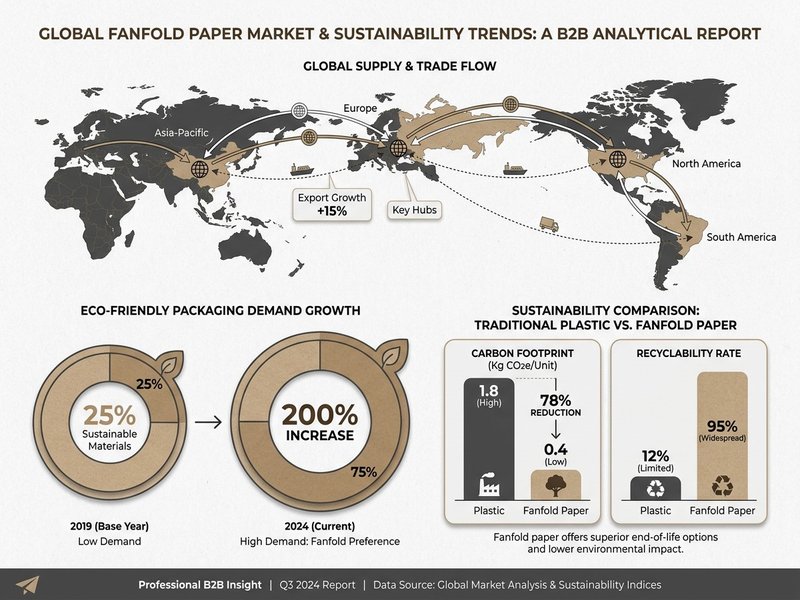
Europe continues to accelerate restrictions on plastic packaging materials, pushing logistics operators toward recyclable fiber-based solutions.
Paper-based packaging demand is supported by:
Extended Producer Responsibility (EPR) regulations
Packaging waste reduction directives
Corporate ESG compliance targets
Retailer-driven plastic elimination programs
Folding carton and paper-based packaging markets in Europe remain structurally strong, with sustainability policies acting as a long-term demand stabilizer .
2.2 High penetration of automated warehouse systems
European logistics operators have higher adoption rates of:
Automated fulfillment centers
Centralized distribution hubs
High-speed packaging stations
This directly increases demand for:
Stable Z fold paper output
High-precision folding consistency
Low-jam feeding performance in dispensing systems
Germany, Netherlands, and Northern Europe remain the most advanced regions in automated packaging deployment.
3. North America Market Drivers
3.1 E-commerce packaging expansion
North America remains one of the largest demand bases for paper cushioning systems.
Market growth is driven by:
Continuous expansion of e-commerce logistics
Increasing parcel volume per capita
Warehouse automation investment cycles
Shift from plastic air packaging to paper-based cushioning
Paper cushioning systems in North America are projected to grow significantly, reaching multi-billion USD scale by the early 2030s, with strong CAGR expectations driven by automation adoption .
3.2 Cost reduction in automated packaging systems
A key driver of adoption is operational cost optimization:
Reduced labor dependency in packaging stations
Lower per-package cushioning material cost
Faster throughput in fulfillment centers
Reduced downtime in automated dispensing systems
Automation reduces packaging labor cost significantly, making Z fold paper systems economically viable even for mid-size warehouses.
4. Industry Structure: Paper Cushioning System Integration
Z fold paper folding machines are no longer standalone equipment. They are increasingly part of integrated packaging ecosystems.
Typical system architecture:
Paper converting (Z fold folding machine)
Storage and stacking system
Automated dispensing unit
Packaging workstation integration
Major global paper cushioning system providers include Ranpak and Storopack, which have defined the technical standards for downstream compatibility.
These systems require:
Stable folding geometry
Precise stacking alignment
Controlled tension output
Continuous feed reliability
5. Technology Trends in Z Fold Paper Folding Systems
5.1 Servo-driven precision control
Modern systems are increasingly adopting:
Servo motor synchronization
Real-time tension adjustment
Closed-loop alignment systems
This improves folding consistency under high-speed continuous operation.
5.2 Multi-width compatibility
Industrial demand is shifting toward flexible production formats:
380mm systems
760mm systems
762mm systems
This allows suppliers to serve multiple regional packaging standards.
5.3 Integration with automated packaging lines
Future demand is strongly linked to system-level integration:
Warehouse automation systems
Smart packaging stations
ERP-connected logistics operations
Machines are increasingly evaluated based on system compatibility rather than standalone performance.
6. Market Outlook (2026–2035)
The Z fold paper equipment market is expected to follow a stable growth trajectory rather than explosive expansion.
Key drivers include:
Expansion of e-commerce logistics infrastructure
Regulatory pressure against plastic packaging in Europe
Continuous warehouse automation in North America
Replacement of aging packaging equipment fleets
At the same time, the market is becoming more segmented:
High-volume industrial systems (warehouse-scale)
Mid-range flexible systems (regional distributors)
Entry-level compact folding units
7. Strategic Insight for Packaging Supply Chains
For packaging material converters and logistics operators, the core shift is no longer “equipment purchase,” but “system compatibility strategy”.
Key procurement priorities now include:
Output consistency under continuous load
Integration with downstream dispensing systems
Energy efficiency and operating stability
Reduction of packaging downtime in fulfillment centers
Standardization of paper feeding formats across regions
Z fold paper systems have become a critical link in automated packaging workflows rather than isolated converting equipment.
8. Market Conclusion
The Z fold paper folding machine market in Europe and North America is structurally driven by three forces:
E-commerce logistics expansion
Sustainability-driven packaging substitution
Warehouse automation investment cycles
Demand is shifting toward high-stability, system-integrated equipment capable of supporting continuous industrial operations in automated fulfillment environments.
