
What is honeycomb wrapping paper used for?
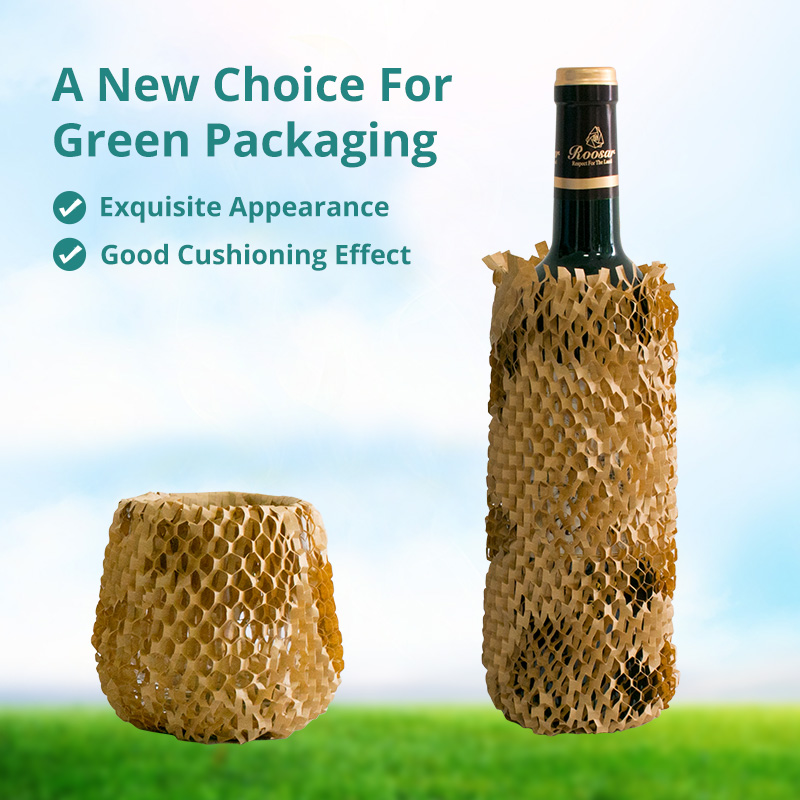
Honeycomb wrapping paper is transformed into a hexagonal honeycomb network through a special cutting and stretching process. This unique design provides the following advantages:
1. Excellent Cushioning
The hexagonal honeycomb structure disperses external impact forces, providing protection and shock absorption, effectively protecting fragile products from damage.
2. Lightweight and Space-Saving
Compared to traditional plastic packaging, honeycomb paper is lighter and has a smaller unstretched roll size, resulting in lower storage and transportation costs.
3. High Flexibility
It can be stretched and wrapped to accommodate products of various shapes and sizes without the need for additional cutting tools.
4. Visually Appealing
The natural paper color combined with the honeycomb structure is not only environmentally friendly and natural, but also enhances the quality of product packaging and the unboxing experience.
5. Personalization
We can customize honeycomb paper to meet the packaging needs of various products.
Honeycomb Wrapping Paper: Diverse Applications
Honeycomb wrapping paper is widely used across multiple industries, covering a wide range of needs, from daily retail to cross-border shipping:
1. E-commerce and Logistics
Honeycomb paper is a popular packaging material for e-commerce sellers on Amazon, eBay, and Shopify. It is particularly suitable for glassware, ceramics, cosmetics, wine bottles, electronics, and more. It can reduce returns and enhance consumer brand loyalty.
2. Gift and High-end Packaging
Its unique honeycomb texture and environmentally friendly properties make it a perfect fit for gift packaging and high-end products. Whether it's holiday gift boxes, luxury cosmetics, or niche crafts, honeycomb paper protects and enhances its visual appeal.
3. Industrial and Wholesale Shipping
For businesses that ship large quantities of machinery and electronic components, honeycomb paper not only provides effective cushioning but also reduces the overall weight of the packaging, saving shipping costs.
4. Home and Personal Use
Consumers often use honeycomb paper as an alternative to traditional bubble wrap when moving or sending gifts. It protects the items without worrying about plastic waste.
How are honeycomb paper rolls produced?
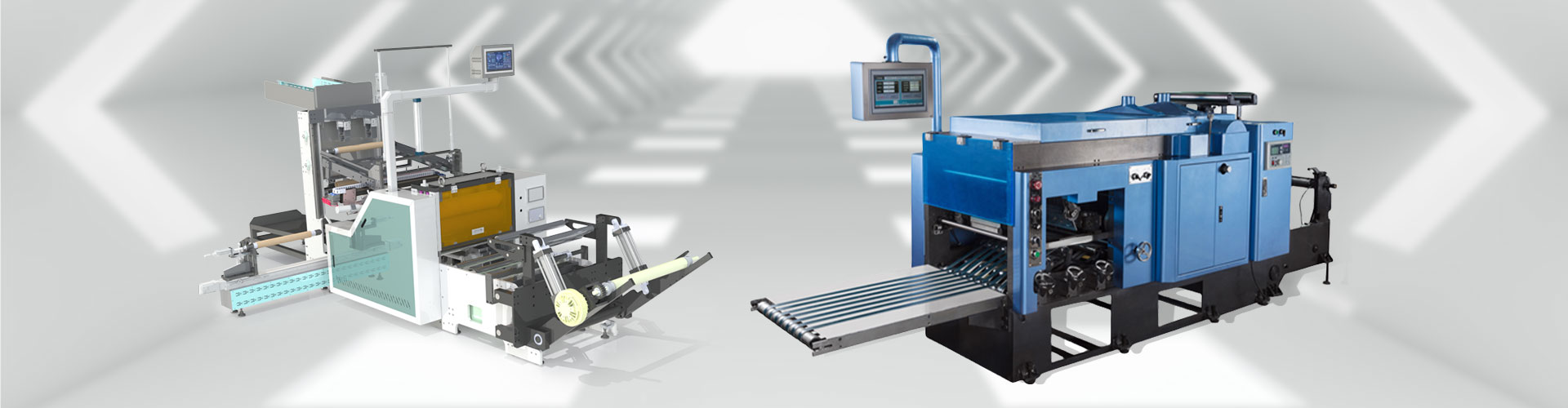
The production process of honeycomb paper rolls is primarily completed using a honeycomb paper making machine. Large rolls of kraft paper are fed into the machine for gluing, compacting, cutting, stretching, shaping, and winding, ultimately forming a continuous, stretchable honeycomb paper roll. The specific steps are as follows:
1. Base Paper Loading and Gluing
The kraft paper roll is placed on the unwinding device. The sheets are glued horizontally and offset by the gluing device, forming a multi-layer structure with alternating bonds.
2. Lamination and Compaction
The glued sheets are fed into the lamination rollers for lamination and compaction, strengthening the interlayer bonding strength and forming the initial paper core block.
3. Cutting and Slitting
The compacted paper core block is cut into strips of a desired thickness for subsequent stretching and forming.
4. Stretching into a Honeycomb Structure
The stretching device stretches the paper core strips vertically, allowing the offset-bonded sheets to unfold and form a regular hexagonal honeycomb cell structure.
5. Shaping and Drying
The stretched honeycomb paper core is shaped and stabilized by low-temperature drying or natural drying to ensure structural stability.
6. Rolling
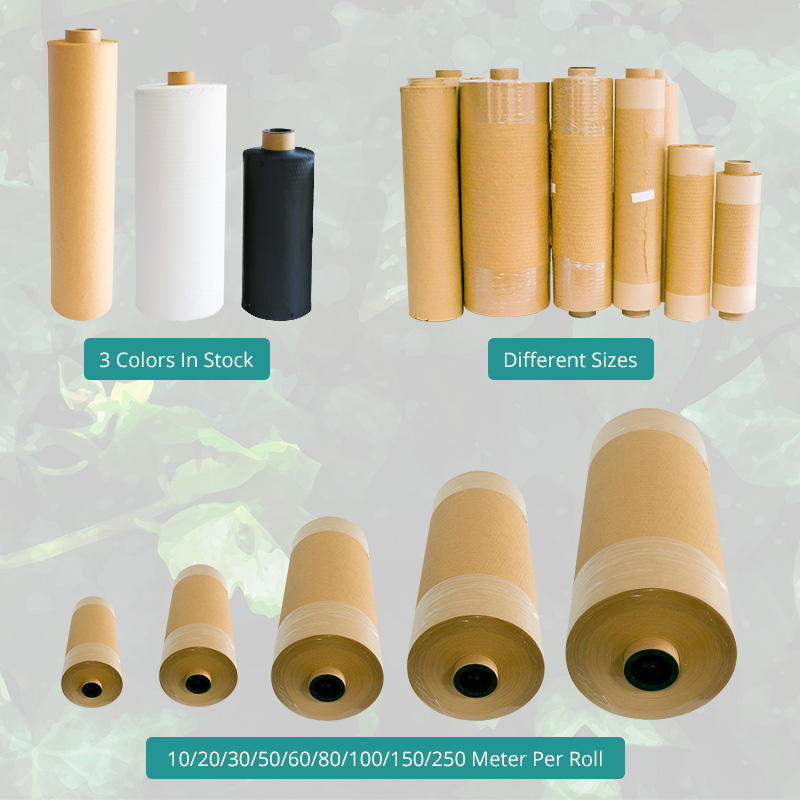
The shaped honeycomb paper is then wound into a roll using a winding device, creating a finished honeycomb paper roll for easy transportation and subsequent processing.
In summary, honeycomb paper rolls are produced by a honeycomb paper making machine through a continuous process of gluing, laminating, cutting, stretching, shaping, and rolling. The final product exhibits excellent cushioning and stretchability, making it widely used in environmentally friendly packaging.
