
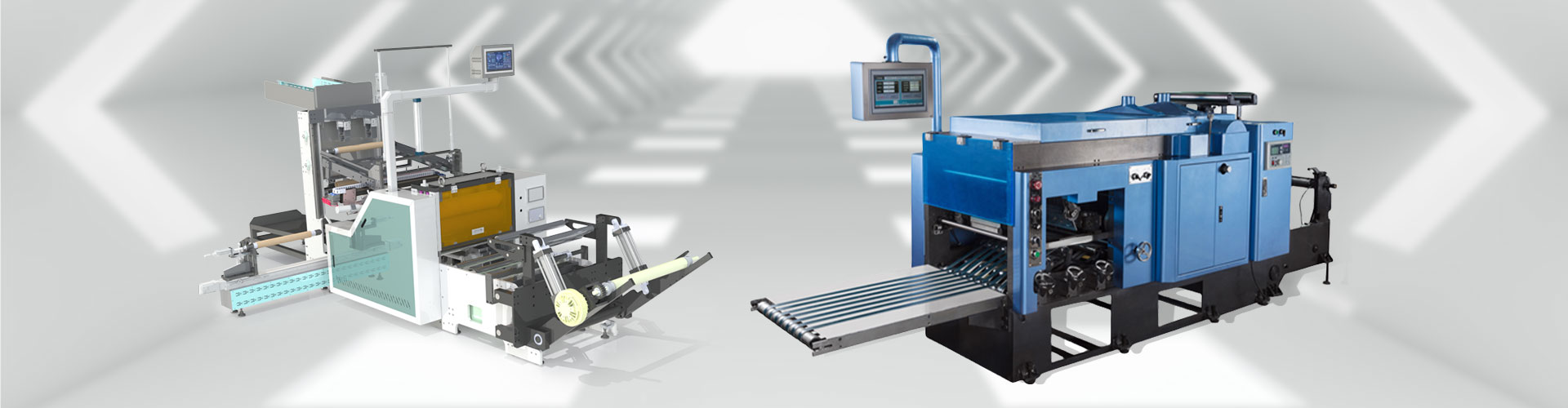
Reasons Why You Can Choose the Linkair Honeycomb Paper Making Machine
The decision to invest in a honeycomb paper making machine is no longer only a production equipment purchase. In industrial packaging supply chains, it directly impacts cost structure, supply stability, and downstream business expansion capability.
For packaging material suppliers, 3PL operators, and e-commerce logistics providers, the machine becomes a production anchor that determines whether the business remains a reseller or shifts into a manufacturing-driven model.
1. ROI Structure: How Value Is Generated Over Time
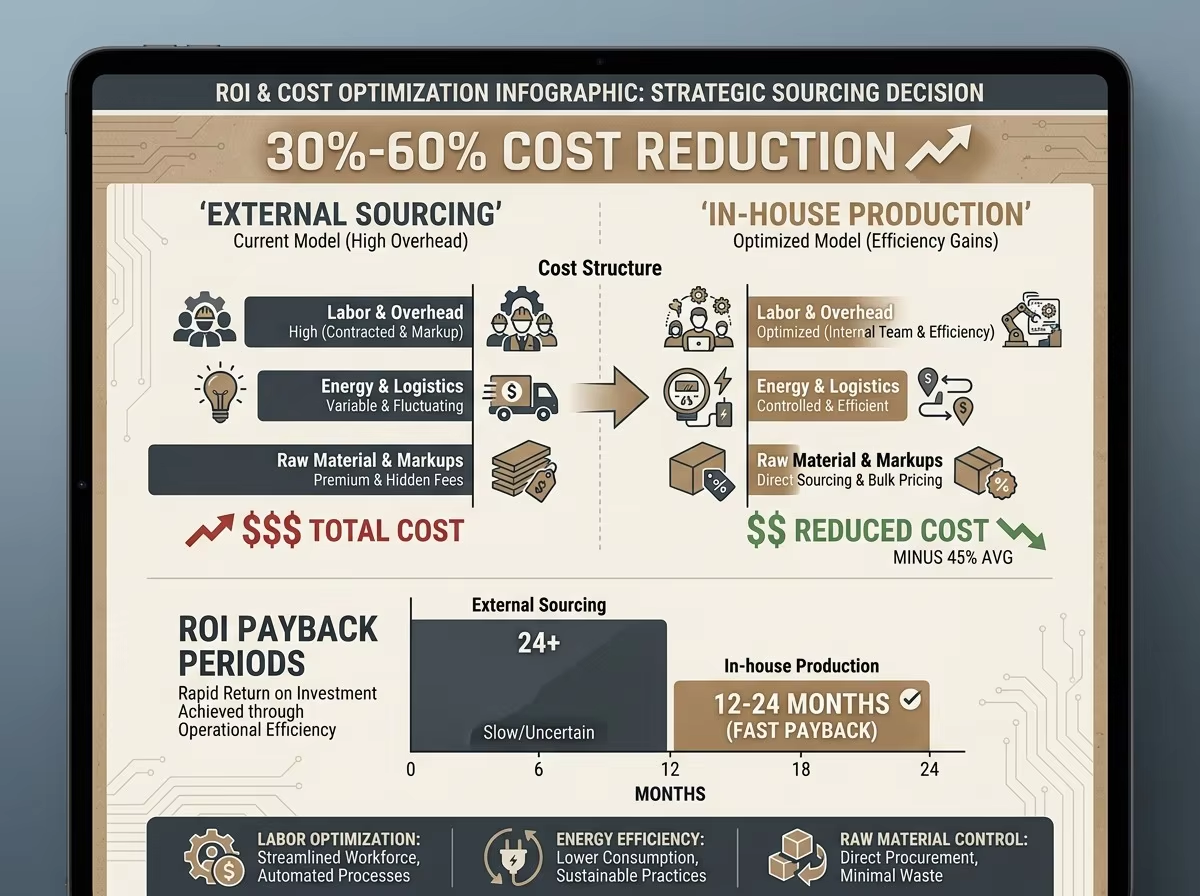
The return on investment of a honeycomb paper production system is mainly driven by material cost replacement and downstream sales expansion.
Core ROI logic
A typical cost structure shift:
External honeycomb paper purchase → finished product cost
Internal production → raw kraft paper + energy + labor
This shift typically results in:
30%–60% reduction in per-unit material cost (depending on paper sourcing scale)
Stable production cost per roll instead of supplier-driven pricing
Reduced logistics cost for incoming finished goods
ROI payback window (industrial usage scenario)
| Operation Scale | Monthly Output (Rolls) | Estimated Payback Period |
|---|---|---|
| Small converter | 5,000–10,000 | 18–24 months |
| Medium distributor | 10,000–30,000 | 12–18 months |
| Large logistics supplier | 30,000+ | 10–15 months |
These values are based on typical packaging material conversion economics in paper-based cushioning supply chains.
2. Cost Structure Optimization Through In-House Production
Operating a honeycomb paper making machine replaces external procurement dependency with internal cost control.
External sourcing cost challenges
Fluctuating kraft paper-based product pricing
Transportation and import cost variability
Supplier minimum order constraints
Seasonal price spikes during logistics peak periods
Internal production structure
Raw paper procurement at bulk industrial pricing
Predictable per-roll production cost
Controlled output scheduling based on demand
Reduced dependency on third-party suppliers
This creates a stable cost base that improves long-term pricing competitiveness in B2B packaging markets.
3. Revenue Expansion: From Equipment Owner to Packaging Supplier
One of the most significant advantages of owning a honeycomb paper production system is business model expansion.
3.1 Supply to logistics and 3PL warehouses
Warehouses and fulfillment centers require continuous consumption of protective packaging materials.
With in-house production:
Stable monthly supply contracts can be established
Recurring revenue replaces one-time equipment margin
Local delivery improves service response time
3.2 Supply to Amazon and e-commerce sellers
Cross-border e-commerce operations rely heavily on protective packaging compliance and cost control.
Honeycomb paper is widely used for:
Fragile product wrapping
Void filling in cartons
Eco-friendly packaging compliance requirements
This creates continuous demand from Amazon sellers and independent e-commerce brands.
3.3 Packaging distributor channel expansion
With production capability, suppliers can enter wholesale distribution channels:
Regional packaging material wholesalers
Private-label packaging supply contracts
Industrial packaging distributors
This enables multi-channel revenue streams instead of single-client dependency.
4. Inventory Pressure Reduction and Cash Flow Stability
Traditional packaging material procurement models often create inventory imbalance:
Overstock increases storage cost and cash pressure
Understock causes supply disruption and customer loss
A honeycomb paper making machine allows:
On-demand production scheduling
Lower finished goods inventory requirement
Reduced warehouse space usage
Faster response to urgent orders
This improves both operational liquidity and supply reliability.
5. Production Stability and Operating Cost Control
Industrial users evaluate equipment based on uptime rather than theoretical performance.
A stable production system must maintain:
Continuous long-cycle operation
Stable paper tension control
Consistent honeycomb expansion geometry
Low downtime during roll changeovers
Linkair systems are engineered for continuous industrial environments where production interruptions directly affect revenue output.
6. Strategic Supply Chain Value
Global packaging supply chains are shifting toward localized production models.
Instead of relying entirely on centralized suppliers, more companies are building regional manufacturing capability.
A honeycomb paper making machine enables:
Localized packaging material supply
Reduced dependency on cross-border logistics
Faster response to customer demand fluctuations
Higher control over product specification standards
This shift improves resilience in unstable supply chain environments.
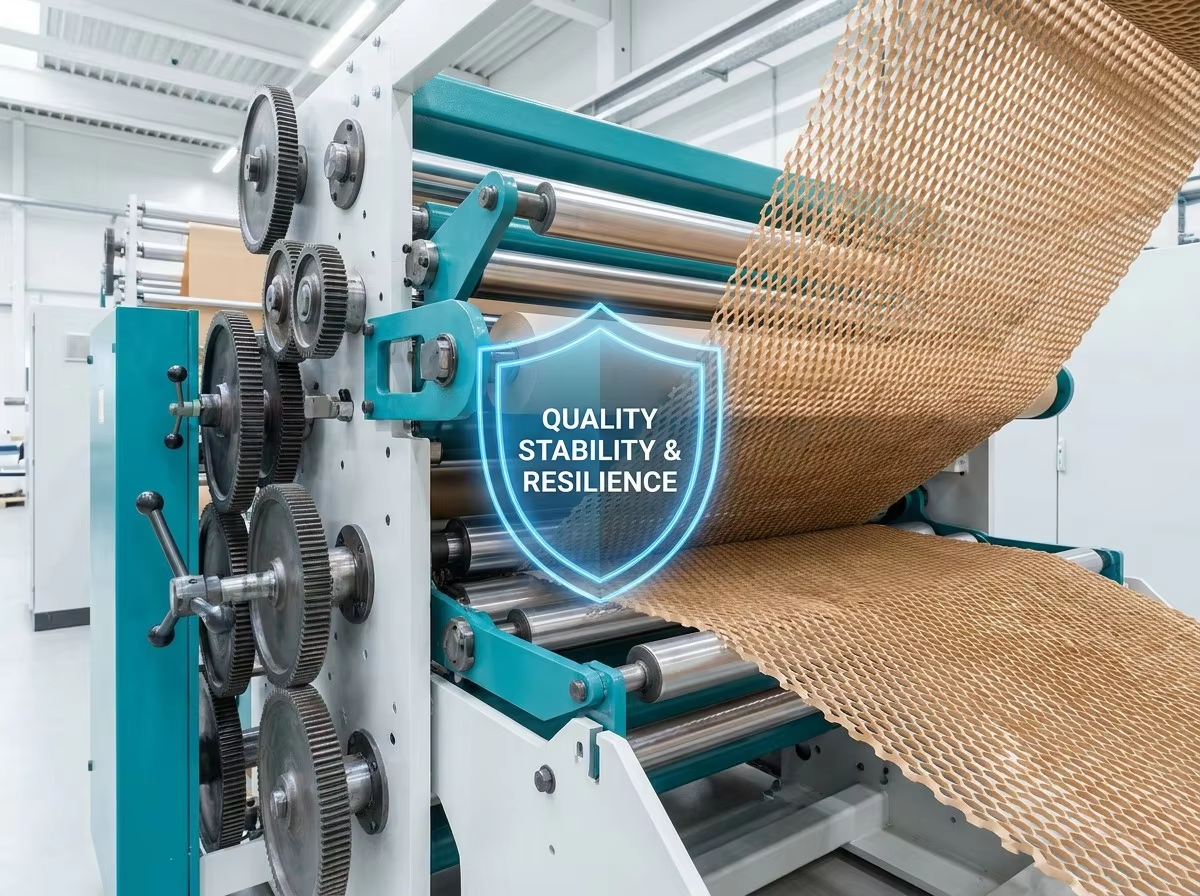
7. Manufacturing Control and Quality Stability
Compared with outsourced supply, in-house production ensures:
Consistent raw material standards
Controlled production parameters
Repeatable product quality across batches
Reduced variability in cushioning performance
This is especially important for logistics operations handling fragile goods and export packaging compliance.
8. Business Model Transformation Impact
A honeycomb paper production system typically transforms business structure in three stages:
Cost control stage – reduce external material purchase cost
Supply stability stage – secure internal production capacity
Expansion stage – enter distribution and resale markets
At the final stage, the machine becomes a production base for multi-channel packaging material sales.

Final Insight
Investing in a honeycomb paper making machine is fundamentally a shift from procurement-based operations to production-driven business control.
The economic value is not only reflected in material cost reduction, but also in:
ROI recovery within 10–24 months depending on scale
Expansion into logistics, e-commerce, and distribution channels
Reduced inventory pressure and improved cash flow
Long-term supply chain independence
For packaging suppliers and logistics operators, this type of production system becomes a structural asset rather than a single equipment purchase.
