
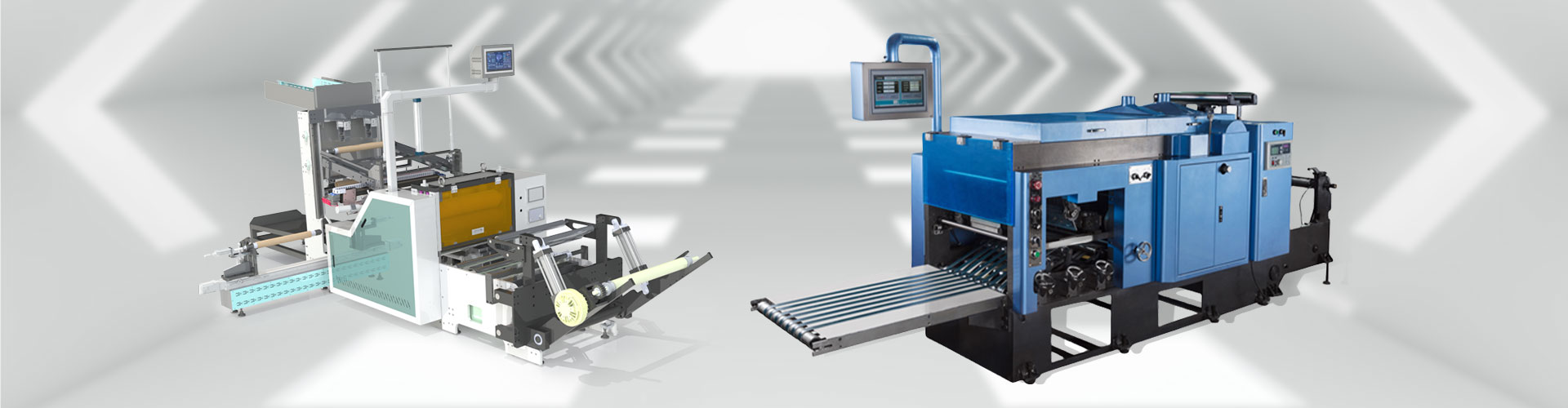
Reasons Why You Can Choose the Linkair Honeycomb Paper Making Machine
Honeycomb paper has become a standard protective packaging material across logistics distribution, e-commerce fulfillment, and industrial shipping operations. For packaging converters and material suppliers, the decision to invest in a honeycomb paper making machine directly affects production control, material cost structure, and downstream business expansion.
From both a supplier and buyer perspective, the value of an in-house production system is no longer limited to manufacturing. It also defines how far a business can extend into logistics supply chains, local warehouse distribution, and recurring consumable sales.
1. From Supplier Perspective: Control Over Production and Margin Structure
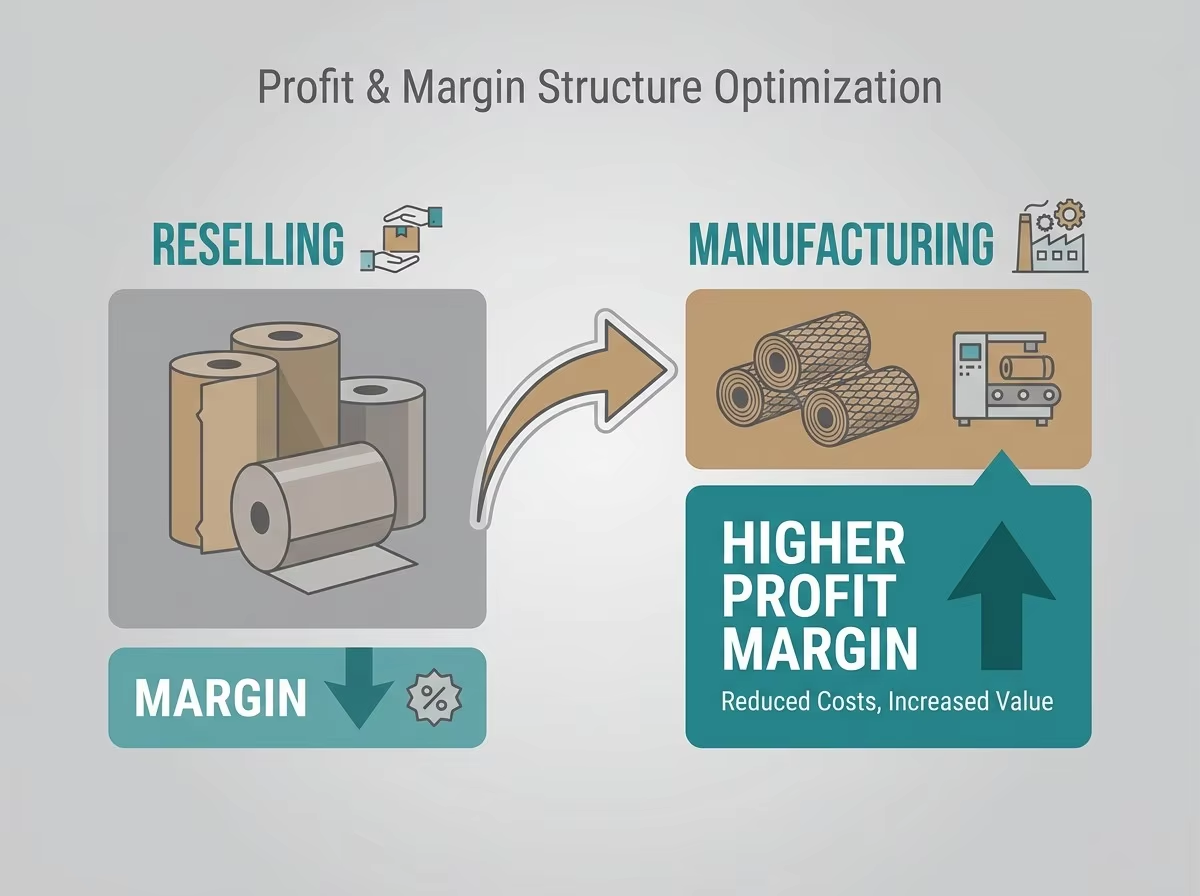
Packaging material suppliers face a consistent challenge: raw material price fluctuation and unstable supply from upstream vendors. Purchasing finished honeycomb paper rolls often creates margin pressure, especially when serving high-volume clients.
Operating an in-house honeycomb paper making machine changes the cost structure in a measurable way:
Raw paper procurement replaces finished product sourcing
Production cost becomes predictable per roll
Margin is controlled within manufacturing instead of distribution
Pricing flexibility improves in competitive B2B bidding environments
For suppliers serving logistics companies or packaging distributors, this shift is often the difference between low-margin trading and scalable manufacturing operations.
2. From Procurement Perspective: Stability Matters More Than Price
For buyers such as 3PL operators, warehouse managers, and packaging distributors, the primary concern is not only unit price but supply continuity.
External sourcing of honeycomb paper introduces several risks:
Delivery delays during peak logistics seasons
Sudden price increases from suppliers
Minimum order quantity restrictions
Limited control over specification changes
Inventory pressure caused by inconsistent supply cycles
Installing a honeycomb paper making machine allows procurement teams to stabilize internal supply and reduce dependency on external vendors.
3. Linkair Factory Advantage: Direct Manufacturing Control
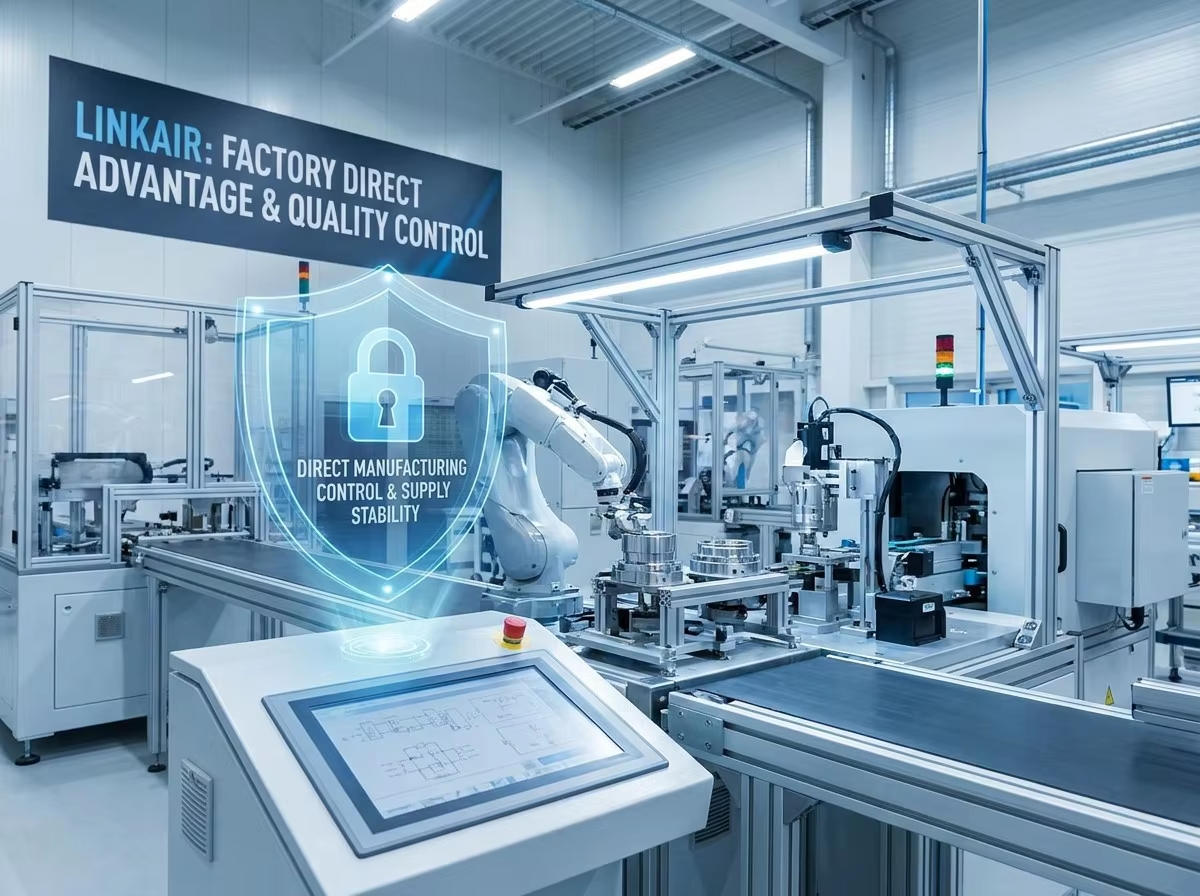
Linkair operates its own production system for protective packaging machinery, including honeycomb paper production lines designed for continuous industrial operation.
The internal manufacturing structure supports:
Controlled assembly and testing process
Mechanical and electrical system validation before shipment
Consistent quality control across production batches
Long-cycle operation testing for industrial use cases
This factory-based structure reduces variability commonly seen in outsourced assembly models.
For industrial buyers, this means equipment is delivered with verified production stability rather than theoretical specifications.
4. Business Expansion: From Equipment Owner to Packaging Material Supplier
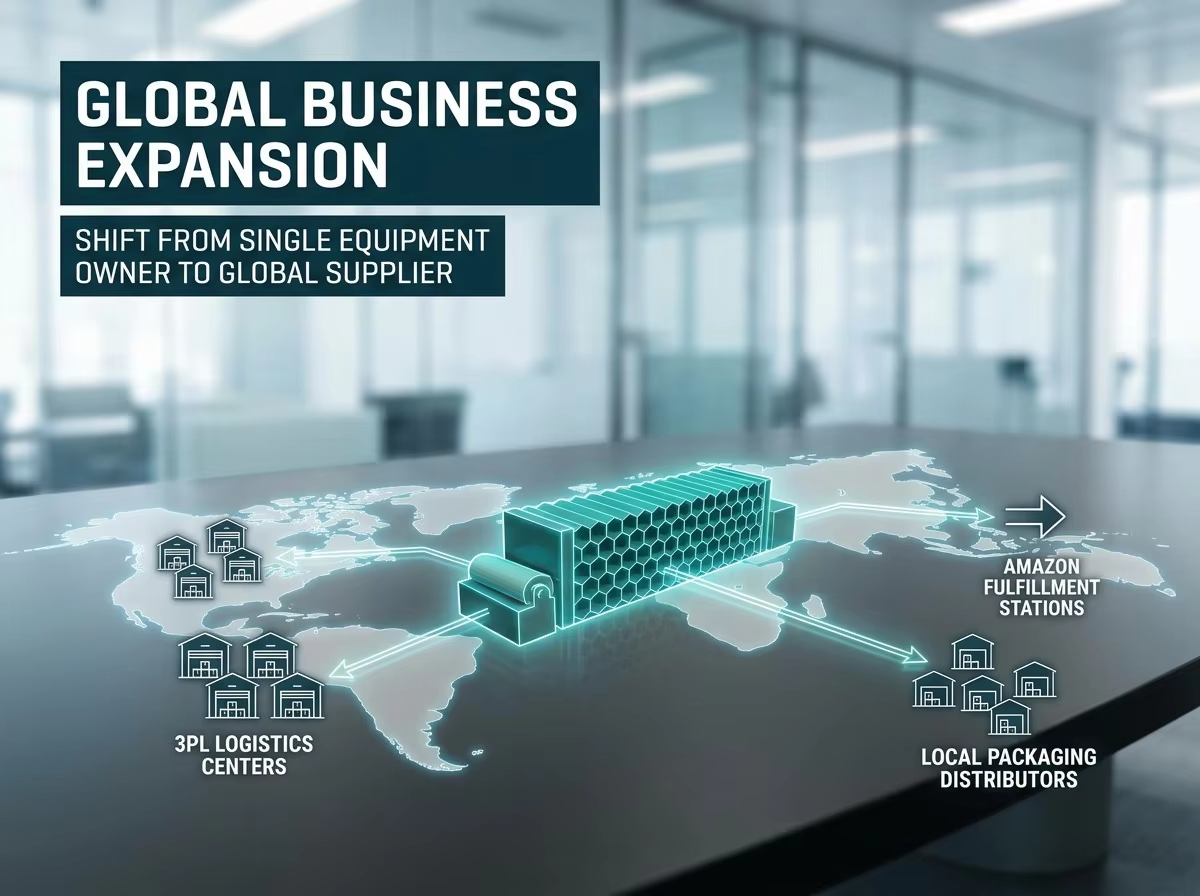
One of the most direct commercial benefits of a honeycomb paper making machine is business model expansion.
Once production capacity is established, operators can extend into multiple downstream channels:
4.1 Supply to Local Logistics Warehouses
Local 3PL and fulfillment centers require continuous cushioning material supply. With in-house production:
Stable monthly contracts can be established
Recurring revenue replaces one-time equipment investment
Delivery speed improves due to local availability
4.2 Supply to E-commerce Platforms (Including Amazon Sellers)
Amazon sellers and cross-border e-commerce businesses rely heavily on protective packaging. Honeycomb paper is widely used for:
Fragile product wrapping
Void filling in cartons
Eco-friendly packaging compliance requirements
A stable production system allows suppliers to serve multiple seller accounts with consistent specification control.
4.3 Resale into Packaging Distribution Networks
Distributors often lack manufacturing capability. Owning a production line allows:
Direct supply into packaging wholesalers
Private-label packaging material sales
Regional distribution agreements
This creates a layered revenue structure rather than single-channel dependency.
5. Cost Reduction: External Material Dependence Eliminated
One of the strongest operational advantages of a honeycomb paper making machine is the reduction of purchased material dependency.
Typical external sourcing issues include:
Price fluctuation of kraft paper-based products
Transportation cost increases
Storage and warehousing constraints
Supplier lead time variability
In-house production replaces these variables with controlled internal cost per unit. Over time, this stabilizes budgeting and improves forecasting accuracy for packaging operations.
6. Inventory Pressure Reduction and Production Flexibility
Packaging material businesses often face inventory imbalance:
Overstock leads to storage cost and cash flow pressure
Understock leads to supply interruption and customer dissatisfaction
With an internal honeycomb paper production system:
Production can be adjusted based on real-time demand
Inventory levels can be reduced significantly
Emergency production cycles can be activated when needed
Storage space requirement decreases
This improves both financial efficiency and operational responsiveness.
7. Equipment Stability and Long-Term Operation Value
Industrial users prioritize machine uptime over theoretical performance. A stable honeycomb paper making machine must maintain:
Continuous operation under long production cycles
Stable paper tension control
Consistent honeycomb expansion structure
Reduced downtime during roll changeovers
Linkair systems are designed around continuous production environments where downtime directly impacts output revenue.
8. Strategic Value in Modern Packaging Supply Chains
The packaging industry is shifting toward localized production networks. Instead of relying on centralized suppliers, more companies are building regional manufacturing capacity.
A honeycomb paper production system supports this shift by enabling:
Localized supply chain control
Faster response to customer demand
Reduced dependency on cross-border logistics
Higher control over packaging material standards
For many operators, the machine becomes not only a production asset but also a supply chain control tool.
9. Operational Impact Summary
The decision to invest in a honeycomb paper making machine typically impacts three business layers:
Manufacturing: cost per unit and production stability
Distribution: ability to supply multiple downstream channels
Strategy: transition from reseller model to manufacturer-level control
Companies that integrate production capacity early often gain stronger positioning in packaging supply chains over time.
Final Perspective
The value of the Linkair honeycomb paper production system is not limited to machine performance. It lies in how production capability reshapes business structure.
From reducing external material dependence to enabling resale into logistics and e-commerce channels, the system supports a shift toward vertically integrated packaging operations with more stable margins and controllable supply chains.
